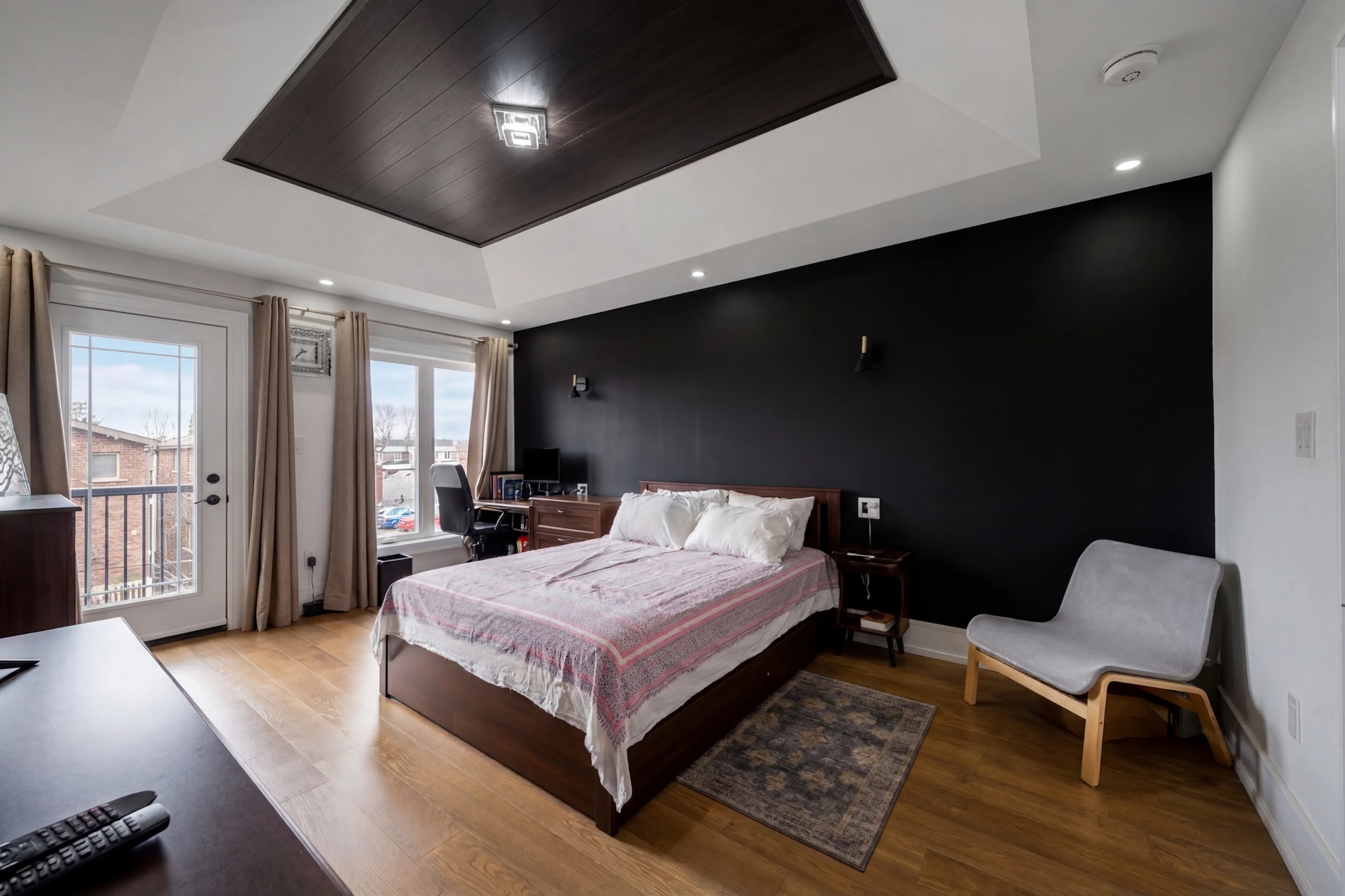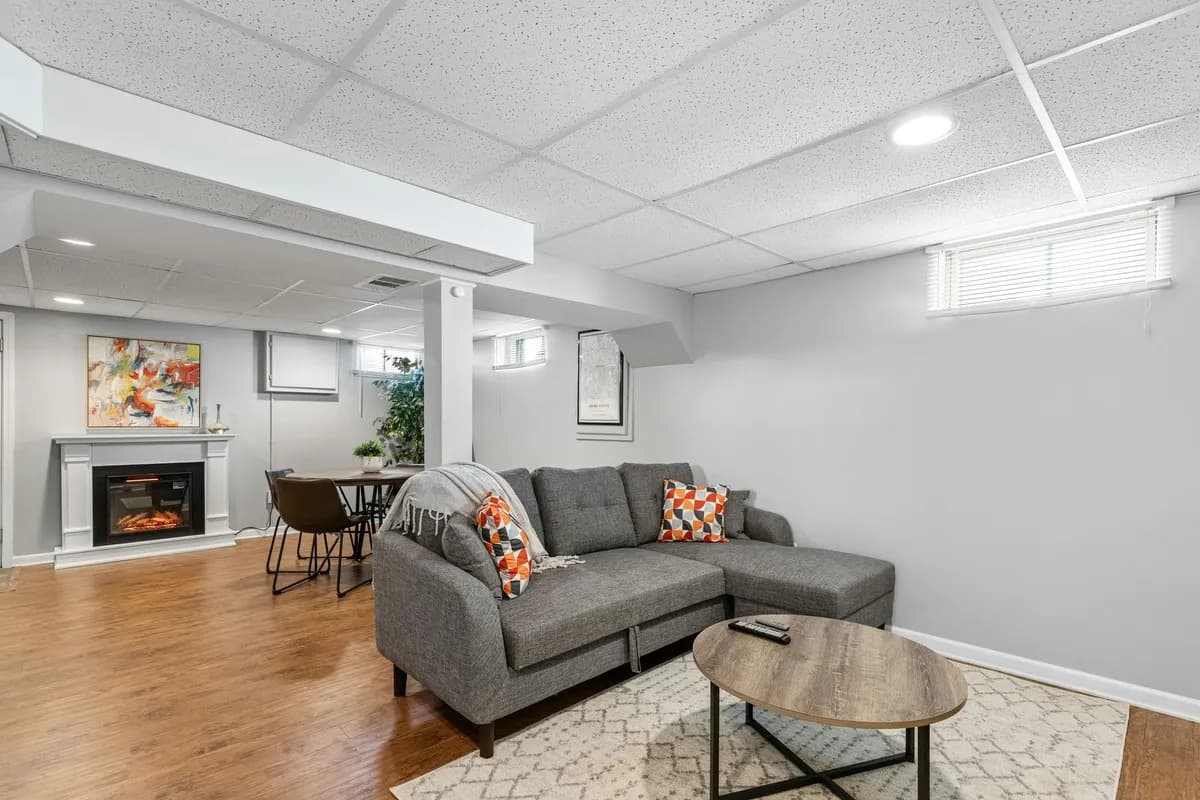
A $400K starter home and a $4M luxury property go through the same MLS portal. They compete for buyer attention on the same search results page. But the standards buyers apply — and the standards agents must meet — are entirely different at the top of the market.
Luxury real estate photography isn't just "nicer photos." It's a different production level: more shots per room, professional staging coordination, precise lighting setups, and a editing standard that communicates premium positioning before a buyer reads a single detail about the property.
What "Luxury" Actually Means in Listing Photography
The distinction between standard and luxury real estate photography isn't primarily about the camera. It's about:
Shot count and coverage — a standard residential shoot might produce 25–35 photos. A luxury shoot produces 50–80 or more, covering every room from multiple angles, every architectural detail, every amenity (pool, gym, wine cellar, outdoor kitchen), and multiple exterior shots at different times of day.
Pre-shoot coordination — luxury listings require a staging walk-through before the photographer arrives. Light fixtures need to be on, window treatments adjusted, accent items placed. The property needs to look like the best version of itself before the first frame is captured.
Technical ceiling — buyers for $3M+ properties have often purchased or sold high-end real estate before. They recognize (consciously or not) when photography is technically excellent versus merely acceptable. A blown-out window, a visible camera reflection in the mirror, or a slightly tilted vertical reads as unprofessional in a way it wouldn't on a mid-market listing.
Marketing usage — luxury listing photos get used beyond MLS: print brochures, social media campaigns, luxury publication features, video walkthroughs. They need to hold up at larger sizes and across more contexts than a standard listing gallery.
Gear for Luxury Shoots
Equipment requirements for luxury real estate photography:
| Category | Standard | Luxury | |---|---|---| | Camera | APS-C or full-frame | Full-frame, minimum 24MP | | Lens | 16–24mm wide angle | 14–16mm architectural wide + 24–70mm for detail shots | | Lighting | None or 1–2 speedlights | 4–6 portable strobes + light stands | | Tripod | Standard | Heavy-duty with geared head for precision leveling | | Drone | Optional | Expected for any property with land or exterior appeal | | Twilight shoot | Rare | Standard — always included |
The lens selection matters particularly for luxury properties. Wide-angle shots capture full room scale, but luxury buyers also want to see detail — the craftsmanship of the millwork, the veining in the marble countertop, the quality of the hardware on the cabinetry. A 50mm or 85mm detail shot of a custom kitchen island reads as premium in a way a single wide-angle room shot never will.
Composition Standards
Luxury photography uses the same compositional rules as standard real estate photography, but applies them more rigorously:
Verticals must be straight. In standard shoots, slight keystoning or tilting might be corrected in post. In luxury shoots, the camera is leveled on a geared head so verticals are straight in-camera — post-correction introduces the slight cropping and distortion of digital perspective correction, which is visible at full resolution.
Horizon is always centered or intentionally off-center. Accidental crooked horizons don't appear in luxury galleries.
Camera height is deliberate. Most residential interiors shoot at 48–54 inches (chest height on a tripod) to avoid the "looking-down" distortion that makes rooms feel smaller. Luxury photographers often adjust camera height per room: lower for high-ceiling rooms to emphasize the ceiling height, higher for spaces where the floor pattern is a feature.
Each room shows a clear focal point. Luxury buyers don't want to see empty space — they want to see a room designed around a purpose. The fireplace, the view, the kitchen island, the tub — each photo should be composed around the room's hero element.
Staging Coordination
The difference between a $1M listing and a $3M listing is often the staging, not the architecture. Top luxury real estate photographers work closely with interior stagers to ensure:
- All accent lighting is on — every lamp, under-cabinet light, fireplace, and exterior fixture contributes to the mood
- Furniture is symmetrically arranged — luxury interiors are photo-styled before the shoot
- Personal items are removed — family photos, prescription bottles, children's toys, pet beds
- Fresh flowers or greenery are placed — organic elements signal "this is a home that is cared for"
- Towels and linens are hotel-folded — in bathrooms and bedrooms
A luxury photographer who arrives at a property that hasn't been staged will often postpone the shoot rather than work with a suboptimal space.
Editing Standards for Luxury Listings
The editing approach for luxury listings differs from standard residential editing in several ways:
Restraint over drama. Standard listings often benefit from bright, airy, punchy editing. Luxury listings trend toward a more measured palette — controlled contrast, accurate-to-life color, deep but not crushed blacks. The photo should look expensive, not processed.
Zero tolerance for visible edits. Blown-out windows, visible vignetting, halos from HDR merging, or color casts that read as artificial disqualify an image from a luxury gallery. Every image is reviewed at 100% zoom before delivery.
Consistent white point across the shoot. As discussed in color correction — the whites in the kitchen and the whites in the master bedroom need to read as the same white. In luxury properties with extensive custom finishes, this consistency signals production quality.
Detail shots need texture sharpness. The veining in marble, the grain in hardwood floors, the weave of a custom area rug — these all require appropriate sharpening and clarity adjustments that would look overdone in a wide-angle room shot but are exactly right for a 85mm detail frame.
AI Editing for Luxury: What Works and What Doesn't
AI-powered real estate photo editing has matured to the point where it produces excellent results for the majority of a luxury shoot:
- Wide-angle interior shots: AI handles exposure correction, color correction, window pull, and style application well
- Exterior shots: sky replacement, color correction, and exposure work reliably
- Twilight processing: AI virtual twilight from daytime shots is now photo-realistic at the quality level expected for MLS galleries
Where human editorial judgment still adds value:
- Detail shots — sharpening and texture enhancement on detail frames benefits from human review
- Composite work — if a shot requires complex masking (interior-exterior composites, multi-flash blends), manual post is more reliable
- Final brand review — top luxury agents or brokerages have a house aesthetic; a final human review ensures the gallery matches it
The practical workflow for most luxury shoots: AI processes the bulk of the gallery (wide-angle rooms, exteriors), while an editor reviews and adjusts detail shots and any technically complex images.
Aerial and Drone Photography
Drone photography is expected on any luxury property with land, a pool, or a notable exterior. FAA Part 107 certification is required for commercial drone work in the US. The standard aerial deliverables for a luxury listing:
- 3–5 overhead shots at varying altitudes showing the property footprint and land
- 1–2 elevated perspective shots showing the relationship of the house to surrounding landscape
- Drone video pass (optional but increasingly expected for listings above $2M)
- Twilight aerial if the property has impressive exterior lighting
AI sky replacement and color correction apply to drone footage just as they do to ground-level shots — overcast aerial photos can be transformed with a blue sky replacement to dramatically improve the hero exterior presentation.
Delivering a Luxury-Grade Gallery
The final gallery for a luxury listing should be:
- Sequenced logically — exterior hero → front approach → entry → main living areas → kitchen → primary suite → secondary bedrooms → bathrooms → amenities → aerial → twilight exterior
- Culled ruthlessly — 50 good photos beats 80 mediocre ones
- Delivered at full resolution — luxury agents use these for print; deliver full-resolution files, not web-compressed JPGs
fotolabs processes luxury shoots with the same AI pipeline as residential shoots, delivering corrected, style-applied photos in under a minute regardless of gallery size. Agents handling high-end properties can upload the full shoot and apply the Luxury style preset for an editing baseline that matches the property's positioning.